

Low bed flat trailers are essential pieces of equipment for transporting heavy and oversized loads. Whether you're in the construction industry, shipping large machinery, or involved in any business that requires the movement of bulky items, knowing how to install a low bed flat trailer correctly is crucial. In this blog post, we'll provide you with the ultimate guide to installing a low bed flat trailer.
1. Understanding the Low Bed Flat Trailer
A low bed flat trailer is designed with a low center of gravity and a large, flat deck. This makes it ideal for carrying heavy equipment and machinery that may be too tall or wide for a standard trailer. The trailer typically has multiple axles to distribute the weight evenly and ensure stability during transport.
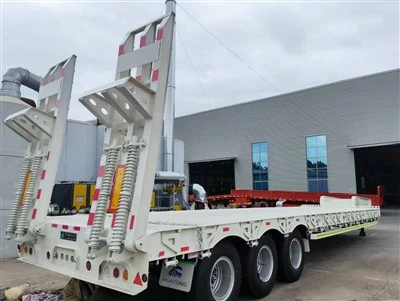


Some common features of low bed flat trailers include:
Low profile: The deck is close to the ground, allowing for easy loading and unloading of tall items.
Wide deck: Provides ample space for large loads.
Strong construction: Made from high-quality materials to handle heavy weights.
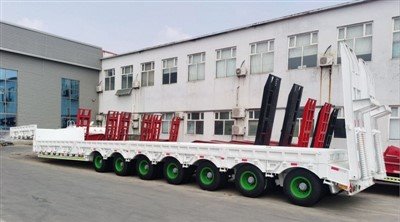
Multiple axles: Ensures stability and distributes the load evenly.
2. Choosing the Right Low Bed Flat Trailer
Before installing a low bed flat trailer, it's important to choose the right one for your specific needs. Consider the following factors:
Load capacity: Determine the weight and size of the loads you'll be transporting. Choose a trailer with a sufficient load capacity to handle your requirements.
Deck length and width: Make sure the trailer's deck is large enough to accommodate your loads. Consider the length, width, and height of the items you'll be hauling.


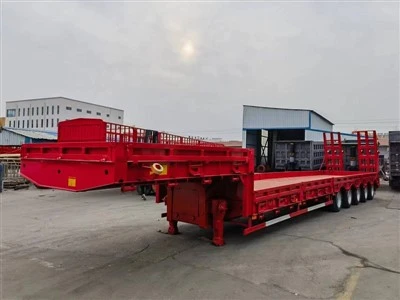
Axle configuration: Different axle configurations can affect the trailer's stability and load-carrying capacity. Choose a trailer with the appropriate number of axles for your loads.
Tire size and type: Select tires that are suitable for the weight and terrain you'll be traveling on. Consider factors such as load rating, tread pattern, and durability.
3. Preparing for Installation
Once you've chosen the right low bed flat trailer, it's time to prepare for installation. Here are the steps to follow:
Inspect the trailer: Thoroughly inspect the trailer for any damage or defects. Check the frame, deck, axles, tires, and lights to ensure everything is in good condition.
Gather tools and equipment: You'll need tools such as wrenches, sockets, jacks, and safety equipment. Make sure you have everything you need before starting the installation.
Choose a suitable location: Select a flat, level surface for installing the trailer. Avoid areas with soft ground or obstacles that could interfere with the installation process.
4. Installing the Low Bed Flat Trailer
Now that you're prepared, it's time to install the low bed flat trailer. Follow these steps:
Attach the trailer to the towing vehicle: Use the appropriate hitch and safety chains to connect the trailer to the towing vehicle. Make sure the connection is secure and all safety devices are in place.
Adjust the trailer height: Depending on the load you'll be transporting, you may need to adjust the height of the trailer. Use the trailer's leveling jacks or air suspension to achieve the desired height.
Secure the load: Once the trailer is in place and the height is adjusted, it's time to secure the load. Use straps, chains, or other restraints to ensure the load is firmly attached to the trailer and won't shift during transport.
Check the lights and brakes: Before hitting the road, make sure the trailer's lights and brakes are working properly. Test the lights and brake connections to ensure they are functioning as expected.

5. Safety Considerations
Installing and using a low bed flat trailer can be dangerous if proper safety precautions are not taken. Here are some important safety considerations to keep in mind:
Follow weight limits: Don't exceed the trailer's load capacity. Overloading the trailer can lead to instability and accidents.
Use proper restraints: Always secure the load with appropriate restraints to prevent it from shifting or falling off the trailer.
Inspect regularly: Regularly inspect the trailer for any signs of damage or wear. Check the tires, brakes, lights, and restraints to ensure everything is in good condition.
Drive carefully: When towing a low bed flat trailer, drive slowly and carefully. Avoid sudden stops, sharp turns, and excessive speed. Be aware of the trailer's dimensions and weight and adjust your driving accordingly.
Installing a low bed flat trailer requires careful planning and attention to detail. By following the steps outlined in this guide and taking proper safety precautions, you can ensure a successful installation and safe transportation of your heavy loads. Whether you're a professional truck driver or a business owner in need of transporting large equipment, a low bed flat trailer can be a valuable asset. So, choose the right trailer, prepare properly, and install it correctly for a smooth and safe transportation experience.