

Flatbed semi-trailers are an essential part of the transportation industry. These trailers play a crucial role in moving a wide variety of cargo, from construction materials to large machinery. In this blog post, we'll take a closer look at flatbed semi-trailers and explore their features, uses, and benefits.
What is a Flatbed Semi-Trailer?
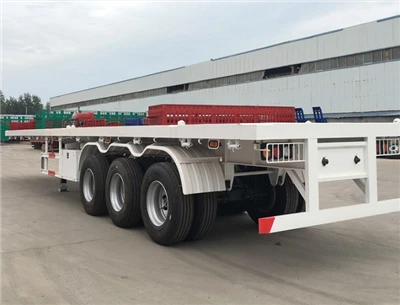
A flatbed semi-trailer, also known as a flatbed trailer, is a type of trailer that has a flat, level platform without sides or a roof. The platform is typically made of steel or aluminum and is designed to support and transport heavy loads. Flatbed semi-trailers are attached to a tractor unit, forming a semi-trailer combination.
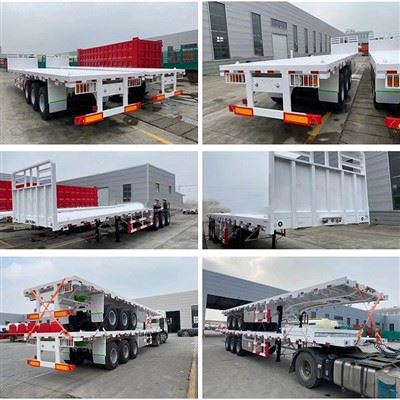

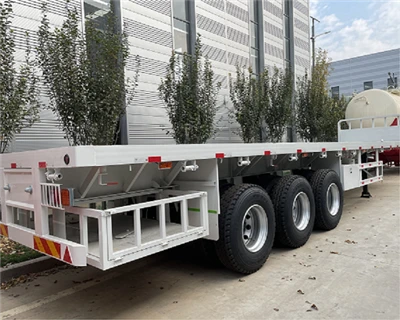
Features of Flatbed Semi-Trailers
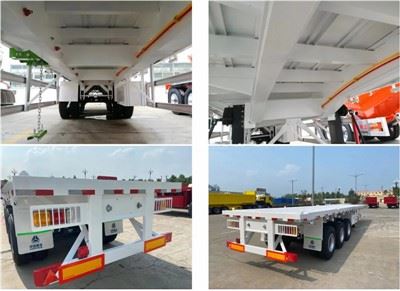
Durable Construction: Flatbed semi-trailers are built to withstand heavy loads and harsh road conditions. They are made of high-quality materials such as steel or aluminum, which provide strength and durability.
Versatile Loading Options: The flat platform of a flatbed semi-trailer allows for easy loading and unloading of various types of cargo. Cargo can be loaded from the side, rear, or top, depending on the nature of the load.
Tie-down Points: Flatbed semi-trailers are equipped with multiple tie-down points to secure the cargo during transportation. These tie-down points ensure that the cargo remains stable and does not shift or move during transit.
Different Sizes and Configurations: Flatbed semi-trailers come in different sizes and configurations to meet the specific needs of different loads. They can range from small flatbeds for lighter cargo to large, heavy-duty flatbeds for transporting oversized loads.
Uses of Flatbed Semi-Trailers
Construction Industry: Flatbed semi-trailers are widely used in the construction industry to transport building materials such as steel beams, pipes, bricks, and lumber. They can also be used to transport heavy machinery and equipment to construction sites.
Manufacturing Industry: In the manufacturing industry, flatbed semi-trailers are used to transport finished products, raw materials, and components. They can handle large and bulky items that cannot be transported by other types of trailers.


Agriculture Industry: Flatbed semi-trailers are used in the agriculture industry to transport farm machinery, livestock, and agricultural products. They can also be used to transport hay, straw, and other agricultural supplies.
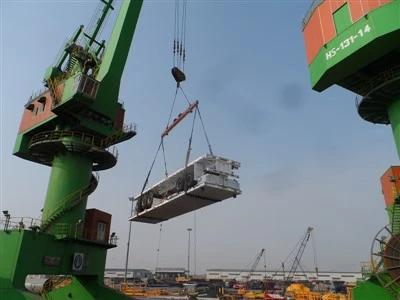
Oversized Load Transportation: Flatbed semi-trailers are ideal for transporting oversized loads such as large machinery, wind turbines, and oil rig components. These trailers can be customized to accommodate the specific dimensions and weight of the oversized load.
Benefits of Flatbed Semi-Trailers
Versatility: Flatbed semi-trailers can transport a wide variety of cargo, making them a versatile option for many industries. They can handle different shapes, sizes, and weights of cargo, providing flexibility in transportation.
Ease of Loading and Unloading: The flat platform of a flatbed semi-trailer makes loading and unloading quick and easy. Cargo can be loaded and unloaded using forklifts, cranes, or other loading equipment, reducing labor costs and time.
Visibility: Flatbed semi-trailers offer good visibility for the driver, allowing for safe driving and maneuvering. The lack of sides or a roof provides a clear view of the surrounding traffic and helps the driver avoid accidents.
Cost-Effective: Flatbed semi-trailers are often a cost-effective option for transportation. They are relatively inexpensive to purchase and maintain compared to other types of trailers, making them a popular choice for many businesses.
In conclusion, flatbed semi-trailers are an important part of the transportation industry. Their durable construction, versatile loading options, and ability to transport a wide variety of cargo make them a popular choice for many businesses. Whether you're in the construction, manufacturing, agriculture, or oversized load transportation industry, a flatbed semi-trailer can meet your transportation needs.