

Used Tanker Trucks
Why Choose Us
With years of experience in the industry, has the expertise to provide reliable and durable solutions.
The company's products adhere to relevant industry certifications and compliance standards, ensuring safety and reliability.
The company is known for its innovative approach to designing and manufacturing trailers and related products.
Offers a wide range of trailers and related products to cater to various industries and applications.
What is Used Tanker Trucks
Used tanker trucks are vehicles specifically designed and built to transport liquids or gases in bulk quantities. These trucks are equipped with tanks or compartments to hold and transport goods such as water, fuel, chemicals, or milk.
-
![3axle 42000L Used Fuel Trailer]() 3axle 42000L Used Fuel TrailerThe fuel tanker trailer has a variety of refueling or oil transportation functions according to different purposes and usage environments. Including oil absorption, oil pumping, fuel storage and...read more
3axle 42000L Used Fuel TrailerThe fuel tanker trailer has a variety of refueling or oil transportation functions according to different purposes and usage environments. Including oil absorption, oil pumping, fuel storage and...read more -
![SINOTRUK HOWO Dump Truck]() SINOTRUK HOWO Dump TruckExperience the unrivaled power and dependability of the Sinotruk HOWO 6X4 371HP Heavy Duty Dump Truck, designed to exceed expectations with its 10-tire robustness. This exceptional machine offers...read more
SINOTRUK HOWO Dump TruckExperience the unrivaled power and dependability of the Sinotruk HOWO 6X4 371HP Heavy Duty Dump Truck, designed to exceed expectations with its 10-tire robustness. This exceptional machine offers...read more -
![Second Hand Howo 371hp Truck Head]() Second Hand Howo 371hp Truck HeadThe HOWO 371 is a powerful and reliable truck head that delivers superior performance for heavy-duty transport and construction projects. With its sturdy and durable build, it can handle even the...read more
Second Hand Howo 371hp Truck HeadThe HOWO 371 is a powerful and reliable truck head that delivers superior performance for heavy-duty transport and construction projects. With its sturdy and durable build, it can handle even the...read more -
![Used Howo 375hp Tractor Truck]() Used Howo 375hp Tractor TruckA used Howo 375hp tractor truck is a heavy-duty vehicle that is often used for hauling cargo trailers and other heavy equipment. As one of the leading Sinotruk truck dealers in China, we offer a...read more
Used Howo 375hp Tractor TruckA used Howo 375hp tractor truck is a heavy-duty vehicle that is often used for hauling cargo trailers and other heavy equipment. As one of the leading Sinotruk truck dealers in China, we offer a...read more -
![Used Howo 6x4 Dump Truck]() Used Howo 6x4 Dump TruckOriginally manufactured by China reputed national enterprise Sinotruk, the howo dumper's cargo body is strong enough to perform well in severe conditions, and the fuel consumption per mile is less...read more
Used Howo 6x4 Dump TruckOriginally manufactured by China reputed national enterprise Sinotruk, the howo dumper's cargo body is strong enough to perform well in severe conditions, and the fuel consumption per mile is less...read more


Cost Savings: Used tanker trucks generally cost less than new ones, offering significant savings upfront.
Immediate Availability: Used trucks are often available for immediate purchase, whereas new trucks may have long lead times.
Depreciation Mitigation: New trucks depreciate quickly; used trucks have already experienced much of this value loss.
Customization: You might find a used tanker that fits your specific needs in terms of size, capacity, or configuration at a lower cost than customizing a new one.
Inventory Diversification: For businesses, buying used allows for a mix of newer and older models, spreading the risk of obsolescence or technological change.
Cash Flow Optimization: Lower purchase prices can free up cash flow for other business investments or operations.
Operational Flexibility: If your business has variable demand, a used truck can provide the needed flexibility without the commitment of a long-term capital investment.
Historical Performance Insight: With a used truck, you have the benefit of seeing how it has performed in the past, which can give you confidence about its reliability.
Environmental Impact: Extending the life of a used truck reduces the need for manufacturing new vehicles, which can be more environmentally friendly.
Potential for Profit: If you buy a used tanker truck at the right price and sell it later for a modest profit, you can effectively use the vehicle as an investment asset.
What factors should I consider when buying a used tanker truck


Vehicle condition: Assess the overall condition of the tanker truck, including its age, mileage, and maintenance records. Look for any signs of wear and tear, rust, leaks, or damage. It's advisable to have a professional inspection to ensure the vehicle is in good working order.
Purpose and capacity: Determine the specific purpose for which you need the tanker truck and assess if its capacity meets your requirements. Consider factors such as the type of cargo you will be transporting, necessary volume, and compatibility with the truck's existing compartments.
Safety features: Check if the tanker truck has essential safety features, including brakes, lights, mirrors, and signals. Ensure that all safety equipment is functional and up to legal standards. It's crucial to prioritize the safety aspects of the truck to prevent potential accidents or incidents.
Tanker condition: Examine the condition of the tanker itself, looking for any signs of corrosion, cracks, or dents. Verify if the tanker is compatible with the cargo you plan to transport and if it meets any specific industry regulations or safety standards.
Maintenance history: Request detailed maintenance records and inquire about the previous owner's maintenance practices. Regular servicing and proper maintenance contribute to the longevity and reliability of the truck. A well-maintained vehicle will likely require fewer repairs and provide better performance.
Insurance and legal considerations: Check the insurance requirements for the particular type of tanker truck you are interested in. Some cargo may require additional coverage or specific liability protection. Ensure that the used truck you plan to purchase can meet these insurance obligations. Additionally, verify if the truck has all the necessary permits and registrations to operate legally.
Fuel efficiency and mileage: Assess the truck's fuel efficiency and average mileage. Consider the distance and duration of your intended trips, as well as the cost of fuel consumption. It is generally advisable to choose a tanker truck that provides good mileage and helps optimize operational costs.
Price and budget: Determine your budget and compare the asking price of the used tanker truck with similar vehicles in the market. Consider factors such as year of manufacture, condition, and any additional features or modifications. A price analysis will help ensure that you are getting a fair deal and prevent overpaying for a used truck.
Reputation of the seller: Research the reputation and credibility of the seller or dealership from whom you are considering purchasing the used tanker truck. Read customer reviews, consider their after-sales services, and ensure that they have a history of selling reliable and well-maintained vehicles.
Warranty or guarantees: Inquire if the used tanker truck comes with any warranty or guarantees. Such coverage can provide added peace of mind, protecting against unexpected repairs or faults shortly after purchasing the vehicle.
Thorough inspection: Before purchasing a used tanker truck, ensure that it undergoes a comprehensive inspection. This should include checking for any leaks or structural damages, ensuring the functionality of safety features such as alarms and emergency shut-off valves, and verifying that the tank has proper labeling and placarding.
Maintenance records: Request the maintenance records of the tanker truck to ensure that it has been regularly serviced and repaired as required. This will give you an idea of the truck's overall condition and whether it has received timely maintenance to prevent any potential safety issues.
Certified mechanics: Have the vehicle inspected by certified mechanics who specialize in tanker trucks. They will be able to identify any mechanical issues or potential safety risks that may not be apparent to an average buyer.
Compliance with regulations: Ensure that the used tanker truck complies with all relevant safety regulations and standards, such as those set by the Department of Transportation (DOT) or local regulatory bodies. It should meet all requirements regarding the safe transportation of hazardous materials or liquids.
Certification and testing: Verify that the used tanker truck has undergone necessary certification and testing procedures. This includes hydrostatic pressure testing of the tank, integrity testing, and certification from authorized third-party agencies.
Training and qualifications: Ensure that the drivers and operators of the used tanker truck are properly trained and qualified. They should hold the necessary licenses and certifications to operate the vehicle and handle hazardous materials safely.
Emergency response plan: Develop an emergency response plan that outlines procedures to be followed in case of accidents, spills, or leaks. This should include proper communication protocols, evacuation procedures, and designated emergency contacts in case of an incident.
Regular inspections and maintenance: Once you have purchased the used tanker truck, ensure that it undergoes regular inspections and maintenance. Create a schedule for routine checks of key components such as brakes, tires, valves, and seals to identify and address any potential safety issues in a timely manner.
Safety equipment: Equip the used tanker truck with necessary safety equipment such as fire extinguishers, spill containment kits, safety cones, and reflective signage. Provide appropriate personal protective equipment (PPE) to the drivers and operators, including safety glasses, gloves, and high-visibility clothing.
Continued education and training: Stay updated with advancements in tanker truck safety by attending relevant seminars, workshops, or training sessions. Keep the drivers and operators informed about any changes in regulations, safety protocols, or best practices through regular training sessions.
Extended Warranties: Some sellers offer extended warranties on used tanker trucks that cover specific components or systems for a limited time.
Third-Party Coverage: Insurance companies specialize in providing warranties for used vehicles, including commercial trucks, which can be purchased separately.
Certified Pre-Owned Programs: Some truck manufacturers or dealers have certified pre-owned programs that include warranty coverage.
Service Contracts: These are agreements between the buyer and a service provider to maintain and repair specified parts of the vehicle for a set period.
Limited Warranties: The seller might provide a limited warranty covering only essential functions or components for a short duration.
Warranty Negotiation: It's possible to negotiate the terms and length of a warranty when purchasing a used tanker truck.
Inspection and Warranty: Completing a detailed inspection before purchase might allow you to negotiate a stronger warranty from the seller.
Exclusions: Be aware that most warranties exclude normal wear and tear, maintenance items, and damage from misuse or accidents.
Deductibles and Limitations: Warranties often come with deductibles and limitations on the number of claims or the maximum payout.
Transferability: Check if the warranty is transferable to another owner if you resell the truck during the warranty period.
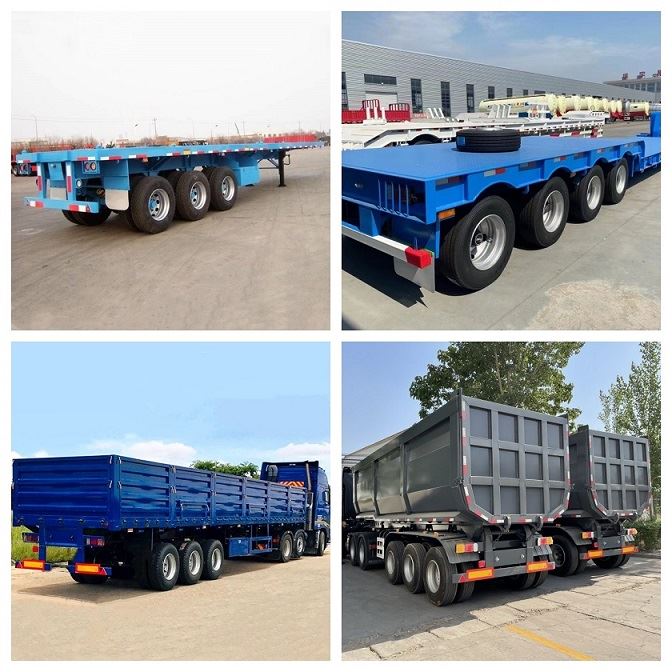

Thorough Inspection: Have a professional inspect the truck for any mechanical issues, structural integrity, and compliance with safety regulations.
Maintenance Records: Request and review the truck's maintenance history to understand the frequency and type of servicing performed.
Mileage Verification: Confirm the odometer reading is accurate to gauge the truck's usage and potential wear on critical components.
Road Test: Conduct a road test to evaluate the truck's performance and handling characteristics in real-world conditions.
Component Condition: Assess the condition of key components such as the engine, transmission, suspension, brakes, and tank for signs of wear.
Tank Integrity: Evaluate the condition of the tank for any signs of corrosion, leaks, or damage that could compromise cargo safety.
Safety Equipment: Verify that safety equipment, including emergency valves, pressure relief devices, and fire suppression systems, are functioning correctly.
DOT Compliance: Ensure the truck meets Department of Transportation (DOT) requirements and is currently registered and insured for operation.
Repairs and Upgrades: Investigate any recent repairs or upgrades that may have been made to improve the truck's reliability and safety.
Purchase Warranty: Consider purchasing a warranty or service contract that covers potential repairs or issues after the sale.
Depends on Usage: A used tanker truck's lifespan can vary greatly depending on its previous use and maintenance history.
Average Lifespan: Generally, a well-maintained tanker can last 10 to 15 years or more, covering upwards of 1 million miles.
Regular Maintenance: Regular and thorough maintenance can significantly extend the service life of a used tanker truck.
Quality of Parts: The longevity of the truck also depends on the quality of replacement parts used during servicing.
Material of Construction: The material from which the tank is constructed can influence how long it retains its integrity under stress and corrosion.
Driving Conditions: Harsh driving conditions, such as extreme temperatures, can reduce the lifespan of a used tanker truck.
Compliance with Regulations: Keeping the tanker up-to-date with safety regulations and inspections ensures it remains roadworthy for longer.
Type of Cargo: The type of cargo transported can have an impact; corrosive materials may require more frequent tank inspections and replacements.
Fleet Rotation: Some companies rotate their fleet regularly, which means their used trucks may have lower mileage and better condition despite being a few years old.
Predictive Maintenance: Employing predictive maintenance techniques helps identify potential issues before they lead to major repairs or downtime.
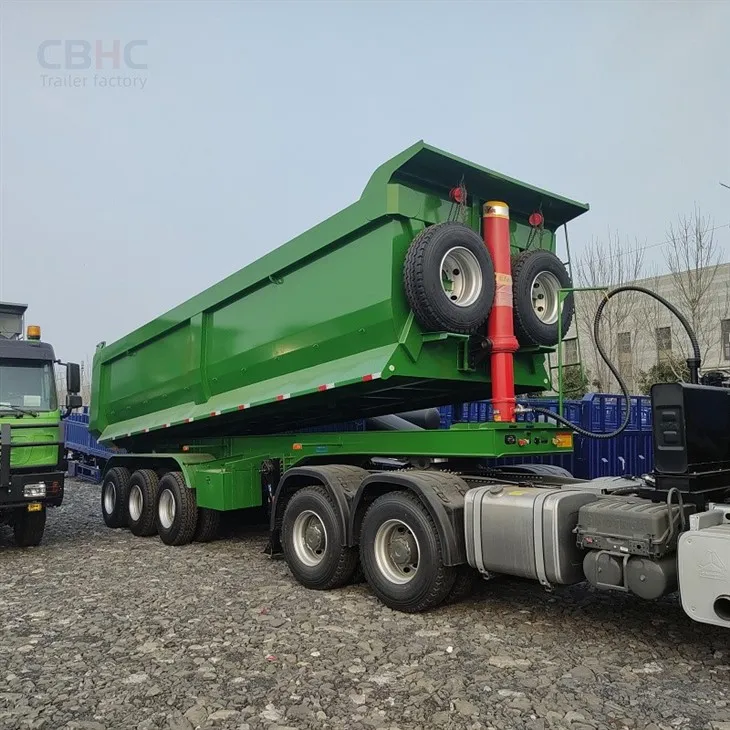
Our factory has a strong technical force, sophisticated manufacturing equipment, professional production team, for product innovation, research and development, quality assurance to provide a solid backing. The company has a full set of advanced equipment and perfect testing system to produce products that meet customer requirements. Customers can enjoy a great buying experience from our professional sales team.

FAQ
As one of the leading used tanker trucks manufacturers in China, we warmly welcome you to buy high-grade used tanker trucks for sale here from our factory. All our products are with high quality and competitive price.
Second Hand Howo 371hp Truck Head, Used Howo 375hp Tractor Truck, Used Howo 6x4 Dump Truck