

Registering a trailer is an essential step for anyone looking to legally operate it on public roads. As a seasoned trailer supplier, I've encountered numerous customers with questions about the costs associated with trailer registration. In this blog post, I'll break down the various factors that influence the registration cost and provide you with a comprehensive overview of what to expect.
Understanding the Basics of Trailer Registration
Before delving into the costs, it's crucial to understand why trailer registration is necessary. In most jurisdictions, trailers are considered vehicles and must be registered with the appropriate government agency. Registration serves several purposes, including:
- Legal Compliance: Registering your trailer ensures that you're operating it legally on public roads. Failure to register can result in fines, penalties, and even impoundment of the trailer.
- Identification: Registration provides a unique identifier for your trailer, making it easier to track and recover in case of theft or loss.
- Safety and Accountability: Registered trailers are subject to safety inspections and regulations, which helps ensure the safety of other road users.
Factors Affecting the Cost of Trailer Registration
The cost of registering a trailer can vary significantly depending on several factors. Here are some of the key factors that influence the registration cost:
1. Trailer Type and Size
The type and size of the trailer play a significant role in determining the registration cost. Generally, larger trailers and those designed for specific purposes, such as hauling heavy loads or transporting hazardous materials, tend to have higher registration fees. For example, a Tri Axle 40Ft Skeletal Trailer used for transporting shipping containers may incur a higher registration fee compared to a smaller utility trailer.
2. Weight
The weight of the trailer is another important factor. Heavier trailers typically require more robust infrastructure and safety features, which can result in higher registration costs. Many jurisdictions use a weight-based fee structure, where the registration fee increases as the trailer's weight increases.
3. State or Province Regulations
Registration fees vary from state to state and province to province. Each jurisdiction has its own set of rules and regulations regarding trailer registration, including the fee schedule. Some states may also charge additional fees for things like title transfer, license plates, and registration renewals.
4. Usage and Purpose
The intended use of the trailer can also impact the registration cost. Trailers used for commercial purposes, such as hauling goods for profit, may be subject to higher registration fees compared to those used for personal use. Additionally, trailers used for specialized purposes, such as towing livestock or transporting recreational vehicles, may have unique registration requirements and fees.
5. Age of the Trailer
In some cases, the age of the trailer can affect the registration cost. Older trailers may require additional inspections or certifications, which can add to the overall registration expenses. Some jurisdictions also offer discounts or incentives for registering newer, more fuel-efficient trailers.
Breakdown of Typical Registration Costs
While the exact cost of registering a trailer can vary widely, here's a general breakdown of the typical expenses you can expect:
1. Initial Registration Fee
The initial registration fee is the cost of registering the trailer for the first time. This fee can range from a few dollars to several hundred dollars, depending on the factors mentioned above. In some states, the initial registration fee may include the cost of a license plate and registration sticker.
2. Title Fee
If you're purchasing a new trailer or transferring the title of an existing trailer, you'll likely need to pay a title fee. The title fee is typically a one-time charge and can range from $10 to $100 or more, depending on the state.
3. License Plate Fee
License plates are required for all registered trailers. The cost of a license plate can vary depending on the state and the type of plate you choose. Standard license plates usually cost between $10 and $50, while specialty plates may cost more.
4. Registration Renewal Fee
Trailer registrations typically need to be renewed annually or biennially. The registration renewal fee is similar to the initial registration fee and can range from a few dollars to several hundred dollars, depending on the state and the trailer's characteristics.
5. Additional Fees
In addition to the above fees, you may also be required to pay additional fees for things like inspections, emissions testing, and late registration penalties. These fees can vary depending on the state and the specific requirements.
Examples of Registration Costs for Different Trailer Types
To give you a better idea of the registration costs for different trailer types, here are some examples based on average fees in the United States:
1. Utility Trailer
A small utility trailer weighing less than 2,000 pounds may cost around $20 to $50 for initial registration, $10 to $20 for a title fee, and $10 to $20 for a license plate. The annual registration renewal fee may be around $20 to $30.
2. Fence Cargo Truck Trailer
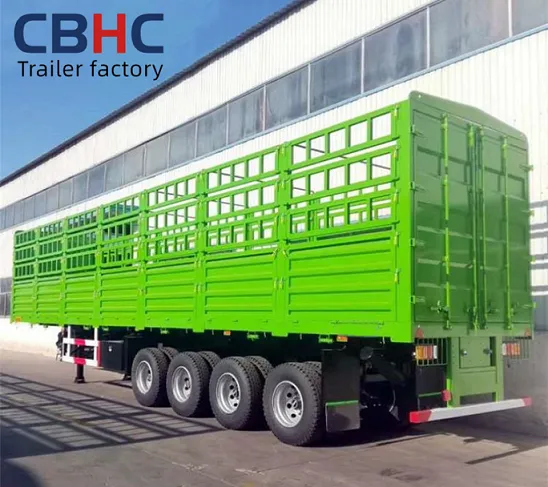
A medium-sized fence cargo truck trailer weighing between 2,000 and 5,000 pounds may cost around $50 to $100 for initial registration, $10 to $20 for a title fee, and $10 to $20 for a license plate. The annual registration renewal fee may be around $30 to $50.
3. 40 Ton Side Dump Semi Trailer
A large 40-ton side dump semi-trailer may cost around $200 to $500 for initial registration, $10 to $20 for a title fee, and $10 to $20 for a license plate. The annual registration renewal fee may be around $100 to $300.
Tips for Reducing Registration Costs
While registration costs are inevitable, there are some steps you can take to reduce the overall expense:
- Research State Regulations: Before purchasing a trailer, research the registration requirements and fees in your state. Some states may offer lower fees or incentives for certain types of trailers.
- Choose the Right Trailer Size: Consider your needs carefully and choose a trailer that is the appropriate size for your intended use. Avoid purchasing a larger trailer than necessary, as this can result in higher registration costs.
- Maintain Your Trailer: Keeping your trailer in good condition can help you avoid additional fees for inspections and repairs. Regular maintenance can also extend the life of your trailer and reduce the likelihood of breakdowns.
- Renew Your Registration on Time: Late registration can result in penalties and additional fees. Make sure to renew your trailer registration on time to avoid these costs.
Conclusion
Registering a trailer is an important step in ensuring its legal operation on public roads. The cost of registration can vary depending on several factors, including the trailer type, size, weight, state regulations, and usage. By understanding these factors and taking steps to reduce costs, you can minimize the financial impact of trailer registration.
If you're in the market for a new trailer or have questions about registration costs, I encourage you to reach out to me. As a trusted trailer supplier, I can provide you with expert advice and guidance to help you make the right decision. Whether you're looking for a Tri Axle 40Ft Skeletal Trailer, a Fence Cargo Truck Trailer, or a 40 Ton Side Dump Semi Trailer, I have a wide range of options to meet your needs. Contact me today to discuss your requirements and get started on your trailer purchase.
References
- State Department of Motor Vehicles websites
- Trailer industry publications
- Personal experience as a trailer supplier